When exploring healthcare options, many people wonder about the difference between Naturopathic Doctors (NDs) and Medical Doctors (MDs). Both professionals aim to support patient health, but they approach care from different perspectives and training backgrounds. Understanding these differences may help individuals make informed decisions about the type of care that aligns with their health goals and personal preferences.
What Is a Medical Doctor (MD)?
A Medical Doctor, often referred to as an MD, is trained in conventional medicine. MDs attend medical school, complete residency training, and are licensed to diagnose illnesses, prescribe medications, perform surgeries, and manage acute or chronic medical conditions.
Conventional medicine often focuses on diagnosing and treating diseases through evidence-based medical interventions. MDs commonly work in hospitals, clinics, emergency departments, and family practices. Their care is especially important for emergencies, infections, injuries, and conditions requiring advanced medical treatment or surgery.
What Is a Naturopathic Doctor (ND)?
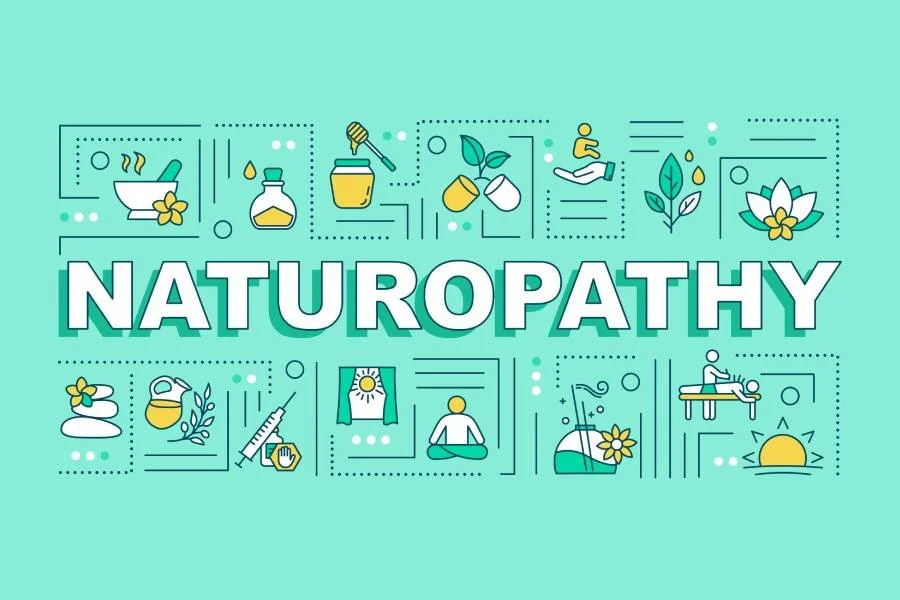
A Naturopathic Doctor is a healthcare professional trained in naturopathic medicine, which focuses on supporting the body’s natural healing processes. NDs often emphasize prevention, lifestyle changes, nutrition, stress management, and individualized care plans.
In Alberta, Naturopathic Doctors are regulated under the Health Professions Act in Alberta. This means licensed NDs must meet professional standards and follow provincial regulations related to patient care and professional conduct.
People seeking naturopathic Edmonton services often look for guidance related to overall wellness, preventive care, nutrition, digestive concerns, stress support, sleep habits, and lifestyle-focused approaches.
Differences in Education and Training
Both MDs and NDs complete extensive education, but their training paths differ.
MDs attend traditional medical schools and receive hospital-based clinical training focused on diagnosis, pharmaceuticals, surgery, and emergency care. Their education is heavily centred on conventional medical treatment.
NDs attend accredited naturopathic medical programs that include subjects such as anatomy, physiology, clinical sciences, nutrition, botanical medicine, and lifestyle counselling. NDs undergo a 4-year undergraduate degree as do MDs, and then do a 4-year post-graduate degree with a year of internship under a licenced ND, often undergoing focused training in a particular area. Their training includes similar training in medical sciences, pharmacology, and physical examinations, alongside Traditional Chinese Medicine, nutrition, botanical medicine, homeopathy, physical medicine, injection, and intravenous therapies. Clinical training in naturopathic programs often focuses on integrative and preventive approaches.
Different Approaches to Patient Care
One major difference between MDs and NDs is how they approach treatment planning.
Medical Doctors often focus on diagnosing and managing disease symptoms using medications, procedures, or surgical interventions when necessary. This approach can be essential for serious illnesses, injuries, and urgent medical concerns.
Naturopathic Doctors generally take a broader lifestyle-based view of health. They may spend additional time discussing sleep, stress, nutrition, physical activity, and environmental factors that could influence overall well-being.
Many patients appreciate combining conventional and naturopathic care when appropriate, depending on their health needs and goals.
Preventive and Long-Term Wellness Support
Naturopathic care often places strong emphasis on prevention and long-term wellness habits. Rather than focusing only on symptoms, NDs may explore underlying lifestyle patterns that contribute to how a person feels physically and emotionally.
This is one reason many individuals searching for naturopathic Edmonton services are interested in personalized wellness strategies that support everyday health management.
When to See an MD or ND
There are situations where an MD is essential, such as medical emergencies, serious infections, surgical needs, or advanced disease management. Conventional medicine plays a critical role in these areas. MDs excel in diagnosing and treating structural issues
An ND may be appropriate for individuals seeking support with preventive care, lifestyle guidance, stress management, nutrition, or complementary wellness strategies. NDs excel in treating functional issues.
In some cases, patients choose to work with both providers as part of a collaborative healthcare approach.
Communication Between Healthcare Providers Matters
Whether working with an MD, ND, or both, clear communication is important. Sharing information about medications, supplements, treatments, and health concerns helps support coordinated and informed care.
Patients benefit most when healthcare providers understand the full picture of their health history and goals.
Explore Personalized Wellness Support in Edmonton!
If you are interested in learning more about naturopathic Edmonton services, Naturopathie Integrative Clinic offers patient-focused care designed to support overall wellness and preventive health goals. Our team provides individualized guidance within a professional and regulated healthcare setting. Visit our website to learn more or book an appointment today.